
Scales
Designed, built and calibrated in-house.
Free shipping across the USA.
Scale categories
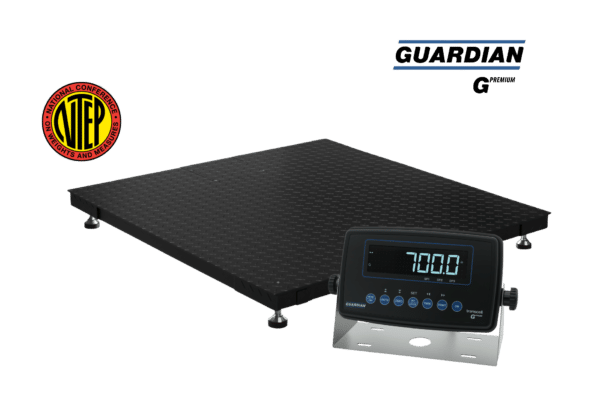
Platform Scales
Takes the load a pallet jack drives onto.
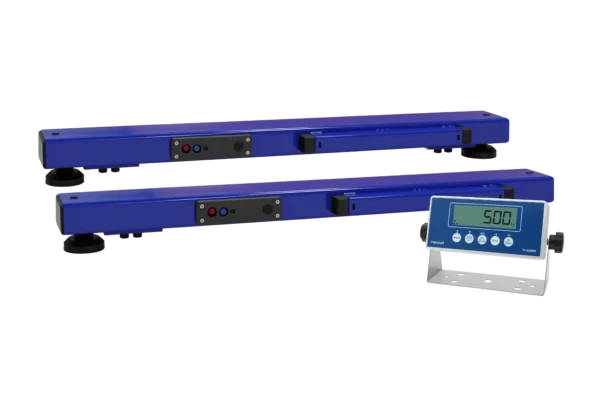
Portable Scales
Weighs a truck without pouring a pit.
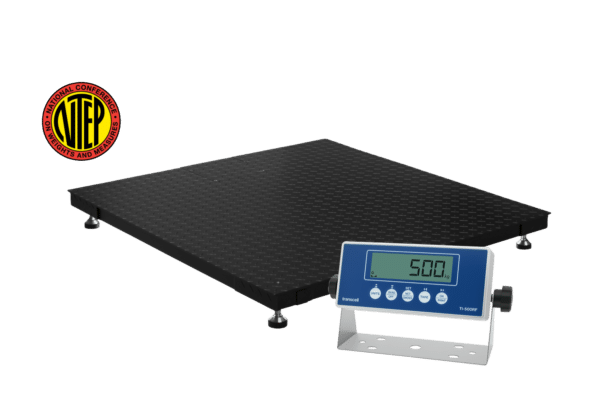
Wireless Scales
Puts the readout where the operator stands.

Shipping Scales
The bench scales: weight straight into your shipping software.
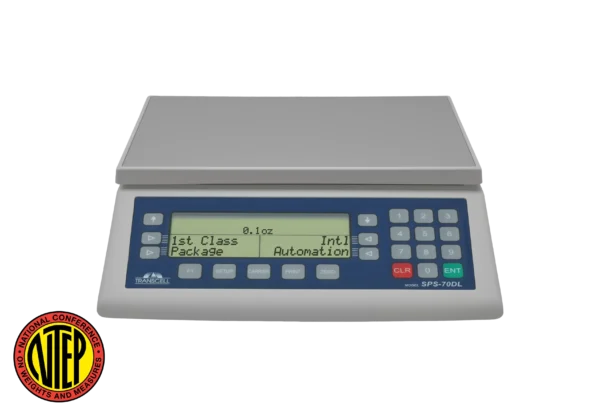
Postal Scales
Prices the item as it weighs it.

Counting Scales
Counts parts by weight instead of by hand.
Everything above and below the deck. One catalog, one order.
Read it, sense it and wire it, all from the same catalog, all in one order.
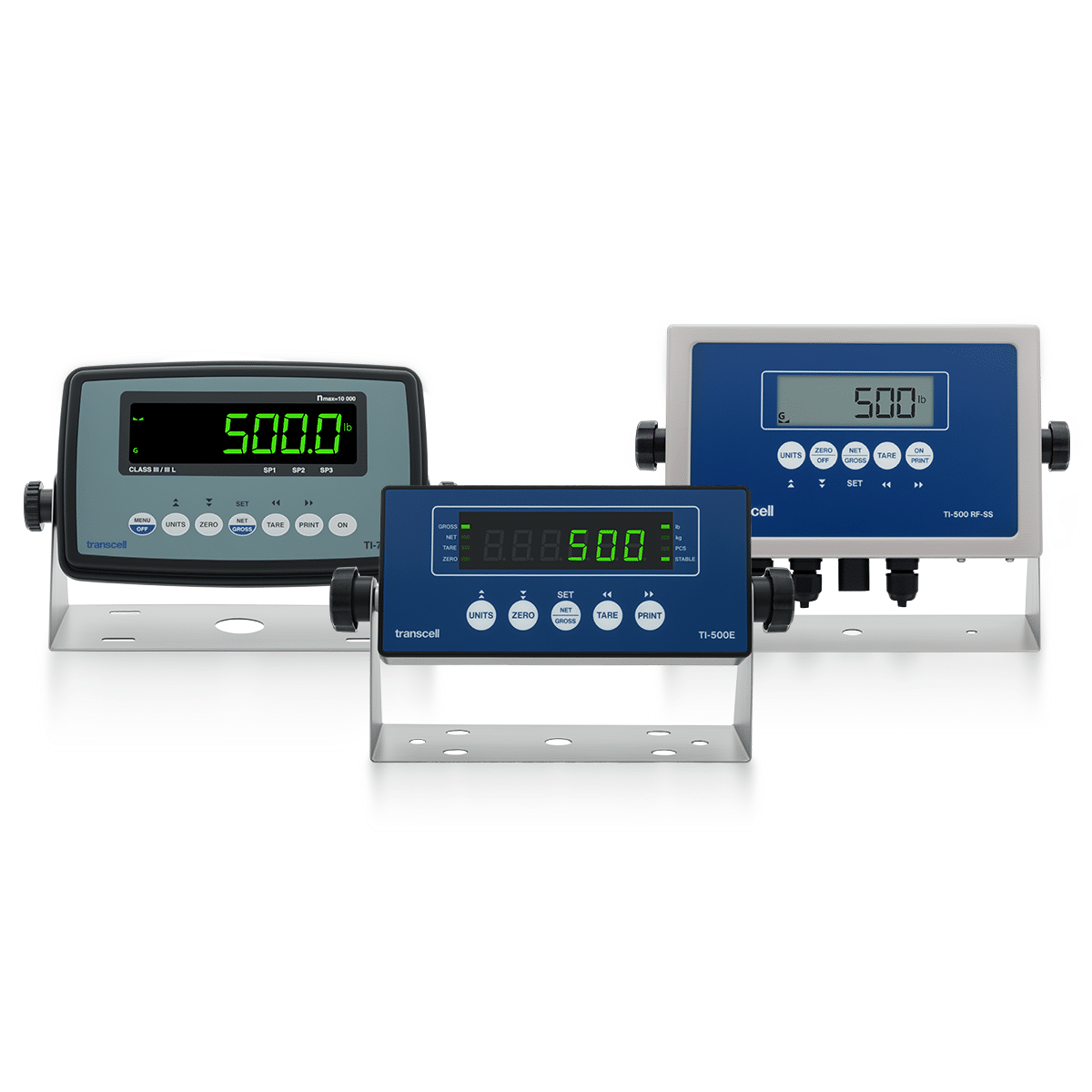
Digital Indicators
The readout, from a basic six-key NTEP panel up to IP69K washdown and battery-powered wireless. Replaceable on its own.
View products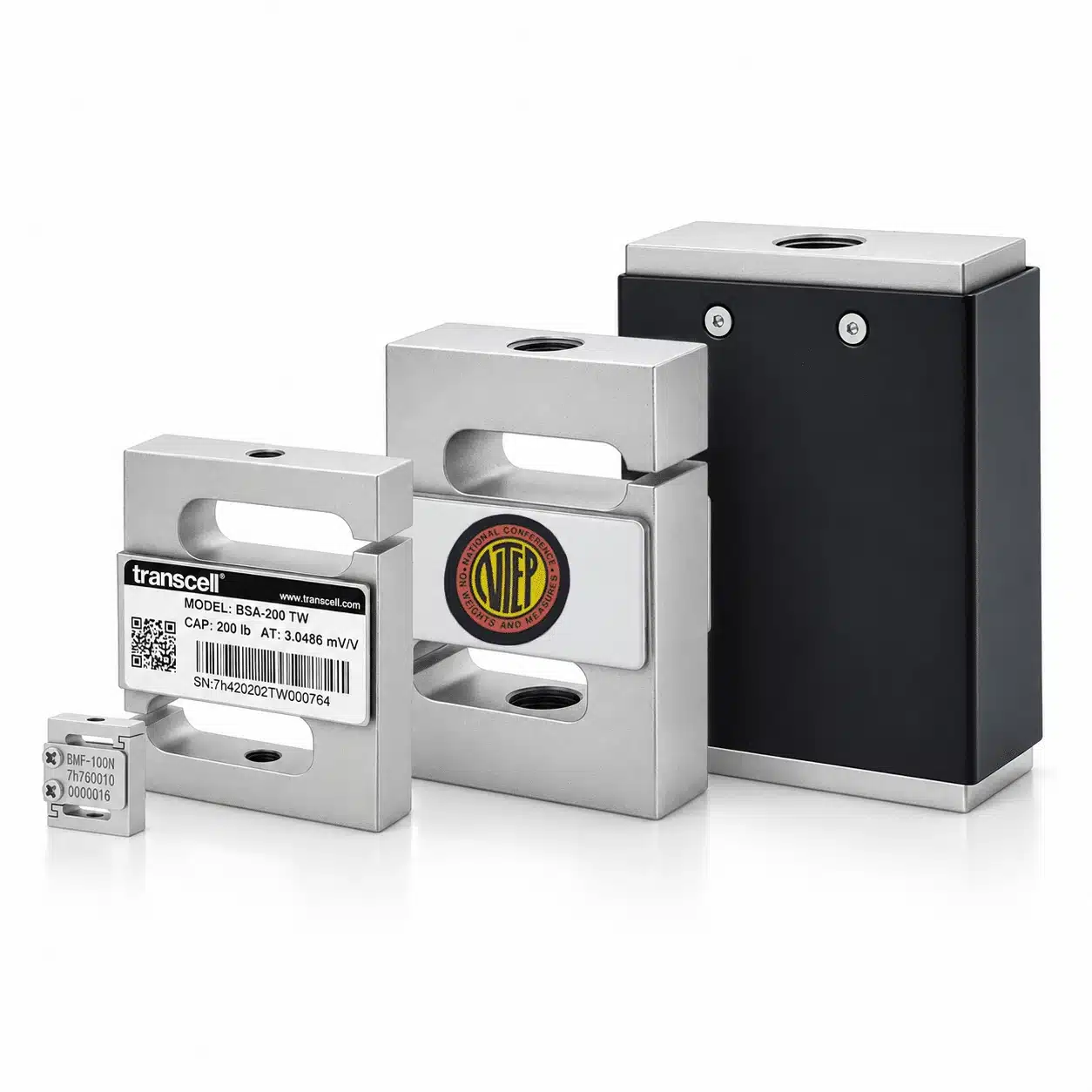
Load Cells
What is actually under the deck. Spares for a platform you own, or the load cells and modules to build a scale of your own.
View products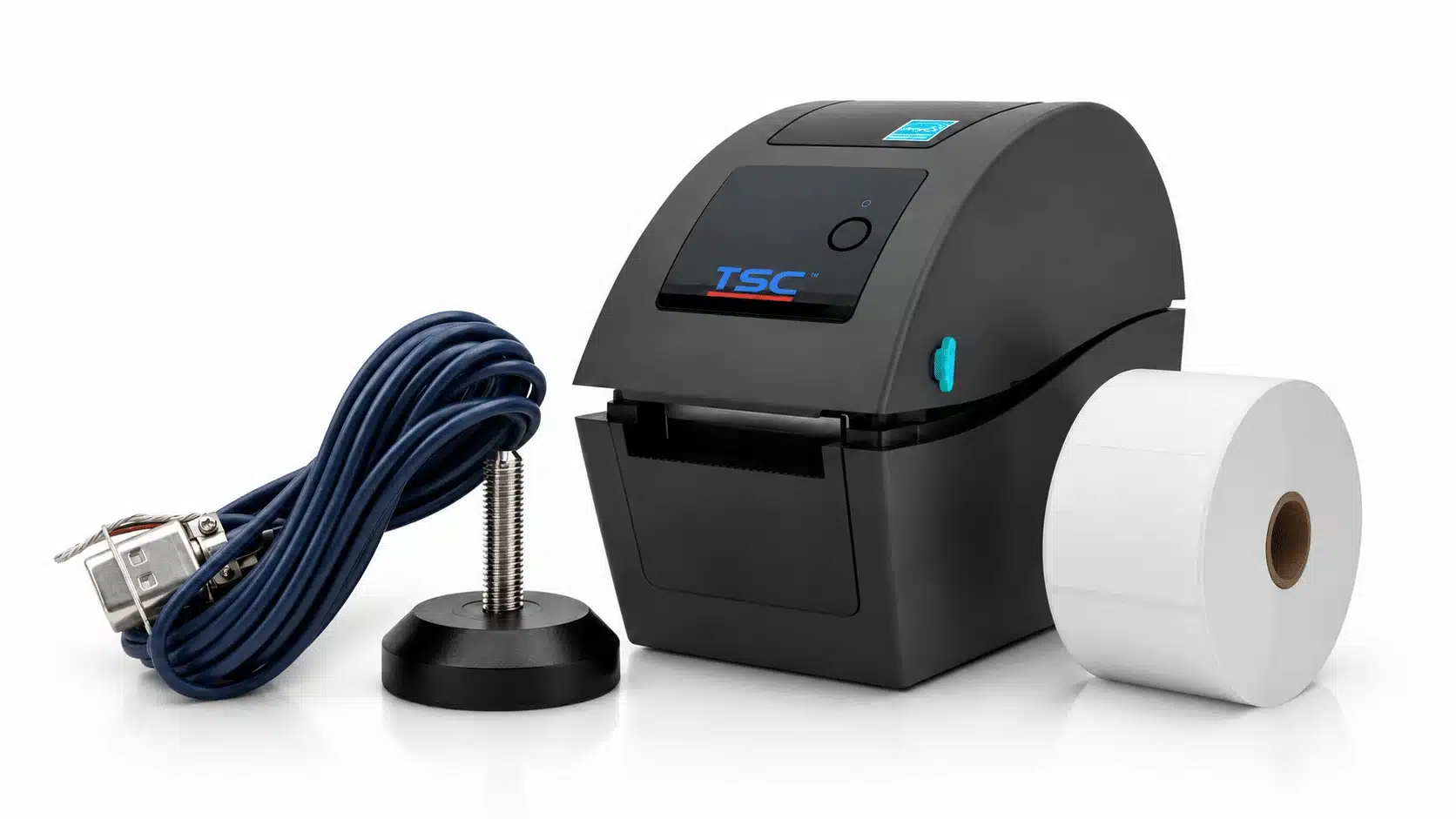
Cables & Accessories
Shielded cable keeps the millivolt signal clean past motors and drives, which is where most drifting-reading complaints actually start.
View productsWhy Transcell. Ordered like a store, backed like a partner.
Free shipping
Parcels ship free in two days, nationwide, no minimum. Floor scales and weigh beams go by freight: free ground to the contiguous 48 states in 2 to 3 days.
Ships worldwide
International orders ship at FedEx live rates: what FedEx charges is what you pay. Tracking follows the order from our door to yours.
Warranty backed
Every product carries a manufacturer warranty. If something goes wrong, you deal with the people who built it.
Custom when you need it
Can't find the deck size, capacity or mounting you need? We build custom platforms, load cells and electronics for OEMs every day.
Scale reference
How to choose an industrial scale: how the load arrives, how fine a division you need, whether the weight is the basis of a sale, the environment and where the number has to go. Below, each of those in turn, what actually happens between the deck and the display, every category side by side, the connection options, the standards, and the terminology used on a scale spec sheet.
Which scale do you need? What decides the category.
Almost every scale bought wrong was bought on capacity alone. Work through these in order and the category usually picks itself, long before a model number does.
How does the load get onto the scale?
Answer this before capacity and most of the catalogue disappears. A forklift can drive straight onto a floor platform, so a surface-mounted deck is fine. A pallet jack cannot climb the deck height, so the same platform needs either ramps or a pit frame set flush with the floor, and a pit means concrete work, drainage and a contractor.
If neither is practical, weigh beams change the question. A pair sits directly on the floor under the ends of a pallet or under a set of wheels, so there is no deck to climb, no ramp and no pit. They also store against a wall, which is the real argument for them: one pair can weigh at the dock in the morning and in the yard in the afternoon.
Then look at what the loading does to the structure rather than to the sensor. Shock is the load case that kills floor scales, not steady weight. The Guardian platform is rated 7,500 lb at the corners and 15,000 lb at the edges on a 5,000 lb scale for exactly that reason: a jack setting a pallet down hard puts far more instantaneous load into one corner than the nameplate capacity suggests.
How heavy, and how fine a division?
Capacity is the easy half. Size above the heaviest thing that will ever sit on the deck, and count the dead load with it: the pallet, the drum, the tote and the fixture all spend capacity you were saving for product. Leave headroom for the load arriving faster than expected rather than settling gently.
Readability is the half that gets missed. A scale's division is the smallest step it displays, and dividing capacity by division gives you the number of divisions the scale actually resolves. A 5,000 lb capacity displaying in 1 lb steps is 5,000 divisions, which is a normal industrial figure. Asking that same 5,000 lb platform to resolve a tenth of a pound is asking for 50,000 divisions, and no legal-for-trade floor scale works that way.
So oversizing costs you twice. A platform rated far above its working load spends its life at the bottom of its range, where the signal is smallest and drift, noise and thermal error count for proportionally more, and the coarse division that comes with the high capacity is locked in. Decide the increment you will actually act on first, then pick the smallest capacity that comfortably covers the load.
If you need both a wide range and a fine step, that is normally two scales: a floor platform for pallets and a bench or counting scale for the parts that go on them.
Is the weight the basis of a sale?
If weight determines what is invoiced, the answer is yes, and it narrows the catalogue immediately. In the United States that means NTEP certification, issued as a Certificate of Conformance against NIST Handbook 44; internationally the equivalent classification is OIML R76. Most industrial weighing lands in Class III, which is the accuracy class Handbook 44 defines for general commercial use.
Two things catch people out. First, the certificate covers a combination, not a component: a platform is approved together with specific indicators, which is why the Guardian family and the wireless TI-500 RF indicator hold approval as a system rather than separately. Swap in an indicator that is not on the certificate and the scale is no longer legal for trade even if it reads correctly.
Second, certification is not the same as being allowed to use it. The finished installation still has to be placed into service and sealed by your local weights and measures inspector, and that inspection looks at the installation, not just the equipment. Buy certified, install level, and have it sealed.
If nothing is sold by weight, non-certified equipment is usually the better value: for process control, shipping checks and internal inventory you are buying accuracy, not paperwork.
What is the environment?
Washdown is where the sealing rating earns its money, and the indicator is usually the weak point rather than the deck. IP65 covers dust and a hose-down, which is enough for most warehouse and dock work. IP69K is the rating for high-pressure, high-temperature washdown, and it is the reason the Guardian Premium and the TI-700K exist as separate models rather than options. Food, beverage and pharmaceutical installations usually end up needing a stainless housing as well as the rating.
Temperature moves both zero and span. A scale calibrated on a warm dock will read differently in a freezer aisle or beside an oven, and condensation on a scale moved between the two is a more common cause of failure than cold itself. Check the compensated range, not just the operating range: they are different numbers and only one is a promise about accuracy.
Traffic and vibration are structural problems. A platform next to a punch press, a conveyor or a busy aisle will show it in the reading, and the answer is mounting rigidity and a level, solid floor first, then filtering. Filtering an unstable reading only hides the instability. Electrical noise is answered with shielded cable, one grounding point, and keeping the run away from motors and drives.
Where does the number have to go?
If an operator reads the display and writes it down, any indicator will do and you should buy on legibility and sealing instead. Everything past that point is a data decision, and it is cheaper to make it now than to retrofit.
USB and RS-232 are what shipping, ERP and inventory software still expect, and they are the difference between a weight that is captured and a weight that is typed twice. Our shipping scales carry both as standard for that reason.
Wireless comes in two distinct flavours that are easy to confuse. An RF link between platform and indicator removes the cable across the floor, which is the one that gets cut by traffic, while the operator still reads a normal indicator. Bluetooth to a phone or tablet removes the indicator itself, which is what makes portable weigh beams practical in a yard.
Then check the paperwork the reading has to produce. A printed ticket, an accumulated total across several pallets, or a postal rate calculated at the scale are all indicator features rather than platform features, so they can change which readout you order on the same deck. If you already own a platform, that is the cheap upgrade path: keep the deck and change the indicator.
From a pallet to a number. What actually happens under the deck.
An industrial scale is not one instrument, it is four parts in series: a structure, a set of load cells, something to sum them, and something to read the result. Accuracy in service is whichever of the four is weakest, which is why a level floor matters as much as the sensor specification.
01
The load lands
The deck and undercarriage spread the load and absorb the shock of it arriving, so the load cells see weight rather than impact.
02
Load cells share it
Typically four shear beam load cells under the corners, each carrying a fraction that changes as the load moves.
03
Summed and trimmed
A junction box adds the four signals and trims them, so a pallet reads the same in any corner as it does in the centre.
04
Scaled to weight
The indicator excites the bridge, reads a few mV/V, and converts it to pounds or kilograms against its calibration.
05
The number leaves
Displayed, printed, accumulated, or sent out over USB, RS-232, RF or Bluetooth.
This is also why a scale that has started reading badly is usually repairable rather than scrap. A shifted zero, a drifting corner, a cut cable or a failed indicator are four different faults with four different costs, and only one of them means replacing the platform.
The fast mapping. Where most applications land.
Each row links straight to that category.
| If you are weighing | Start here | Why |
|---|---|---|
| Pallets and freight on a warehouse floor | Platform scales | A steel deck on four shear beams is the standard answer for 5,000 to 10,000 lb, and it is rated for the shock of a forklift rather than just the weight. |
| Trucks, trailers and loads away from a fixed station | Portable scales | Weigh beams sit on the floor under the wheels or the pallet ends, so there is no pit, no ramp and nothing to install. |
| Anywhere a cable across the floor will get cut | Wireless scales | The platform talks to the indicator over RF, so the readout can sit at a desk or on a forklift instead of at the end of a run. |
| Anything sold by weight | Platform or portable scales | Both hold NTEP certification, so the finished installation can be sealed by a weights and measures inspector. |
| Washdown, food and pharmaceutical areas | Platform scales with an IP69K indicator | The indicator is the part that fails first under a pressure hose, so the rating on the readout matters more than the rating on the deck. |
| Cartons and parcels at a packing bench | Shipping scales | Bench footprint with USB and RS-232 built in, so the weight goes straight into the shipping software. |
| Letters and small packages in a mailroom | Postal scales | Desktop sized and fine enough for postage, with a rate-card option that prices the item at the scale. |
| Repeat parts, kitting and inventory counts | Counting scales | Counts by weight from a sample, which is the only practical way to inventory thousands of identical small parts. |
| A platform you already own, with a dead readout | Digital indicators | The deck outlasts the electronics. Most platforms will read on a new NTEP indicator after calibration. |
| A tank, hopper or machine, not a platform | Load cells | Vessels and equipment are weighed with load cells and mounts built into the structure, not with a scale set on the floor. |
Every category, side by side. Sorted by what differs.
How the load arrives and whether it is sold by weight narrow the field faster than capacity does.
| Category | Typical capacity | Where it goes | Legal for trade | Connection |
|---|---|---|---|---|
| Platform Scales | 5,000 to 10,000 lb | Warehouse floor, dock, production | NTEP (CC 06-084) | Cabled indicator; IP65 or IP69K |
| Portable Scales | 5,000 lb | Yards, docks, temporary sites | NTEP | Bluetooth 5.0, battery powered |
| Wireless Scales | 5,000 to 10,000 lb | Plants where a cable run is impractical | NTEP as a platform + indicator system | RF link to the indicator |
| Shipping Scales | 150 to 300 lb | Packing benches, shipping desks | NTEP; SRP-300 also Canadian | USB and RS-232 |
| Postal Scales | 10 to 70 lb | Mailrooms, front desks | SPS-70DL only, not the SPS-10E | Rate card or serial, by model |
| Counting Scales | 6 to 60 lb | Kitting, inventory, packaging lines | Not certified | RS-232 to a serial printer |
Capacity figures are the span of orderable variants in each category, not a continuous range. NTEP certification covers specific capacities and specific platform and indicator combinations rather than a whole category: ask an engineer which pairing is certified for your application before you order.
How the weight gets out. Decided by distance and paperwork.
The platform's native output is a few millivolts, and the indicator is what turns it into something the rest of the building can use. What you convert it to depends on how far the number travels and what has to be produced at the other end.
Local
Display only
An operator reads it and acts on it. Buy on legibility, keypad layout and sealing rating rather than on connectivity.
Use for receiving checks, spot weights, dock work.
Wired data
USB and RS-232
Still what shipping, ERP and inventory software expect. Removes the double entry that causes most weight-related billing errors.
Use for packing benches, shipping stations, inventory.
Wireless link
RF platform to indicator
Removes the cable across the floor, which is the part that gets run over. The operator still reads a normal indicator, sited wherever suits.
Use for busy aisles, forklift traffic, long distances.
Wireless device
Bluetooth to phone or tablet
Removes the indicator itself and turns a handheld into the readout, which is what makes battery-powered weigh beams practical outdoors.
Use for yards, temporary sites, mobile weighing.
Printing, accumulation across several loads and postal rate calculation are all indicator features rather than platform features, so they can change which readout you order on the same deck. Pair any platform with a digital indicator, and if you are building a scale rather than buying one, sum the load cells through a junction box first.
Standards and accuracy classes. What the certificates actually cover.
Legal for trade
NTEP
The US certification pathway for weighing equipment used in trade. Issued as a Certificate of Conformance covering a specific platform and indicator combination, and the finished installation still has to be sealed by a weights and measures inspector.
The rulebook
NIST Handbook 44
The specification NTEP certificates are written against. It defines the accuracy classes, Class III being the one most industrial weighing falls into, and the tolerances a scale has to hold in service rather than just on the test bench.
Environment
IP69K and NEMA 4X
IP69K is high-pressure, high-temperature washdown; NEMA 4X adds corrosion resistance to a watertight enclosure. Both describe the housing, so check the rating on the indicator separately from the rating on the platform.
A certified component does not make a certified system, and a calibrated scale is not a permanently accurate one. Accuracy in service is the structure, the load cells, the electronics, the floor it stands on and the recalibration interval together, and the weakest of the five sets the result.
Scale spec terms, in plain language. What they mean when you're comparing.
Show all 22 terms
- Capacity
- The maximum load the scale is rated to weigh, dead load included.
- Dead load
- Weight always present before the product arrives: the pallet, drum, tote or fixture. It spends capacity.
- Division (d)
- The smallest increment the scale displays. Capacity divided by division is the number of divisions it resolves.
- Verification division (e)
- The division a legal-for-trade scale is tested against. It can be larger than the displayed division.
- Readability
- What the display can show. Not the same as accuracy: a scale can display a step finer than it can guarantee.
- Class III
- The Handbook 44 accuracy class most commercial and industrial weighing falls into.
- Certificate of Conformance
- The NTEP document listing which platform and indicator combinations are approved, and at which capacities.
- Placed in service
- The inspection and sealing by a local weights and measures official that makes a certified scale legal to use for trade.
- Tare
- Subtracting a known container weight so the display reads contents only.
- Gross and net
- Gross is everything on the deck. Net is gross minus tare.
- Zero tracking
- Automatic correction of small zero drift, so debris or temperature does not slowly offset the reading.
- Corner load and shift test
- Placing the same weight in each corner to confirm it reads the same everywhere. The standard check that a platform is trimmed.
- Trimming
- Balancing the four load cell signals in the junction box so corner readings match.
- Span calibration
- Setting the scale against a known test weight so full-scale reads correctly.
- Repeatability
- How consistently the same load reads the same when applied again.
- Creep
- Drift in the reading while a load sits on the deck unchanged.
- Overload
- Load beyond rated capacity, or a shock arrival. Can permanently shift zero even when nothing visibly breaks.
- Low profile
- A reduced deck height, so a pallet jack has less to climb and shorter ramps will do.
- Pit frame
- A recessed frame that sets the deck flush with the floor, removing ramps entirely at the cost of concrete work.
- Weigh beam
- A narrow beam scale used in pairs under the ends of a load or under a set of wheels, with no deck and no installation.
- Piece weight and count-by
- The sampled average weight of one part, which is what lets a counting scale convert weight into a quantity.
- Accumulation
- Adding successive weights into a running total at the indicator, for multi-pallet shipments.
Scales, answered.
Which industrial scale do I need, and how do I decide?
Start with how the load arrives rather than how heavy it is. Pallets and freight moved by forklift or jack point to a Guardian floor platform. Trucks, trailers and loads weighed away from a fixed station point to portable weigh beams. Cartons at a packing bench point to a shipping scale, letters and small parcels to a postal scale, and repeat parts to a counting scale. Each of the six cards above names the job it is for, and if you're between two of them, talk to an engineer.
What does NTEP certified mean for a scale, and do I need it?
NTEP certification means the scale has been evaluated against NIST Handbook 44 for commercial, legal-for-trade weighing in the US. If weight is the basis of a sale, you generally need it. Two details matter: the certificate covers a specific platform and indicator combination rather than either part on its own, and the finished installation still has to be placed into service and sealed by your local weights and measures inspector. For process control, shipping checks and internal inventory, non-certified equipment is usually the better value.
Do I need ramps or a pit to get a load onto a floor scale?
It depends on how the load gets on. A forklift can drive onto a surface-mounted deck without help. A pallet jack cannot climb the deck height, so it needs either ramps or a pit frame set flush with the floor, and a pit means concrete work and a contractor. If neither is practical, portable weigh beams sit at floor level and need no civil work at all.
Can I replace just the indicator on a platform I already own?
Usually yes, and it's one of the most common orders we take: the deck outlasts the electronics. The platform is a summed load cell bridge, so most NTEP indicators will read it once calibrated. The one condition is certification: if the scale is legal for trade, the new platform and indicator pairing has to appear on a Certificate of Conformance, so confirm it before ordering.
Are your scales calibrated before they leave the factory?
Yes. We design, build and calibrate the load cells inside our scales ourselves, and complete scales are calibrated as a system at the factory before they leave.
How does a floor scale ship, and is shipping free?
The dividing line is parcel versus freight, not product family. Shipping, postal and counting scales, indicators and RF kits all travel as parcels, so they go free in two days nationwide with no minimum. Floor scales and weigh beams move by freight: those ship free by ground to the contiguous 48 states in 2 to 3 business days, Alaska and Hawaii are not included, and the receiving end needs dock hours or a liftgate arranged when the order is placed. Freight moves by FedEx Ground on a pallet, so the delivery point also needs room for a truck to pull in and unload. International orders ship at FedEx live rates, so what FedEx charges is what you pay. Illinois residents pay 8% sales tax.
What's the lead time, and is the capacity I need in stock?
Standard catalog capacities and deck sizes ship from stock. Custom decks, capacities and mounting are quoted with a lead time up front, so you know the date before you commit.
Is there a minimum order, and do you sell single units?
No. There's no minimum purchase, whether that's a single postal scale or a dock's worth of platforms.
What's the warranty, and what if it fails in service?
Every product ships with a manufacturer warranty, and service, repair and recalibration are handled factory-direct rather than through a third party, by the same people who built and calibrated it. The term is not the same on every line, so the one that applies is stated on the product page.
Can you build a custom platform size, capacity or finish?
Yes. Custom decks, capacities, mounting and private-label OEM versions are a core part of our business, and we build the load cells and electronics inside them ourselves. Tell us the footprint, the capacity and the environment and an engineer will follow up.
We Make Your Challenge
Our Business
Tell us what it has to do and we’ll tell you what it takes.