
Feet
Four of the five share one thread, so the real choice is grip against float.
Free shipping across the USA.
Not sure which foot?
Feet catalog

Foot, 2.9″ Polyurethane
2.9″ diameter polyurethane on a 1/2-20 UNF thread with a 2″ stem. Model LFR-3.

Foot, 2″ Rubber
The smallest in the range, 1/2-20 UNF with a 2″ stem. Model LFR-2.
Foot, 3-1/4″ Polyurethane
The largest footprint and the only 3/4-16 UNF thread here. Listed for 10K load cells.

Foot, 2-1/4″ Captured Ball
A captured ball foot on a stainless stem, so the platform can settle and self-align.

Foot, 2-3/8″ Stainless Captured Ball
Stainless captured ball and cup, and the one NTEP certified foot in the range.
Custom & OEMWe also build the ones that aren’t in any catalog. Learn more
A foot is part of the load path. So it is part of the measurement.
Everything between the floor and the load cell affects what the load cell feels. These are the other parts of that path.
Platform Scales
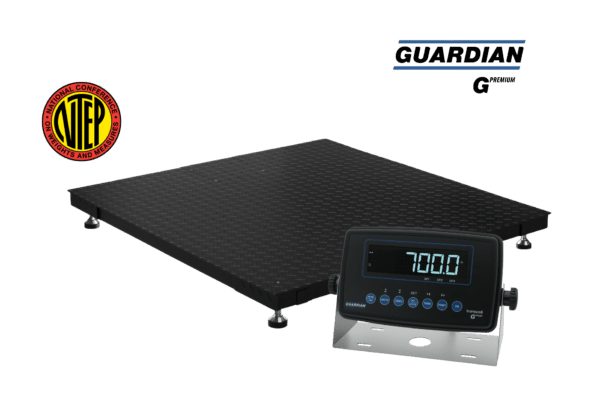
Complete floor scales, supplied with feet fitted and calibrated as a system. The place to start if the whole scale is being replaced.
View products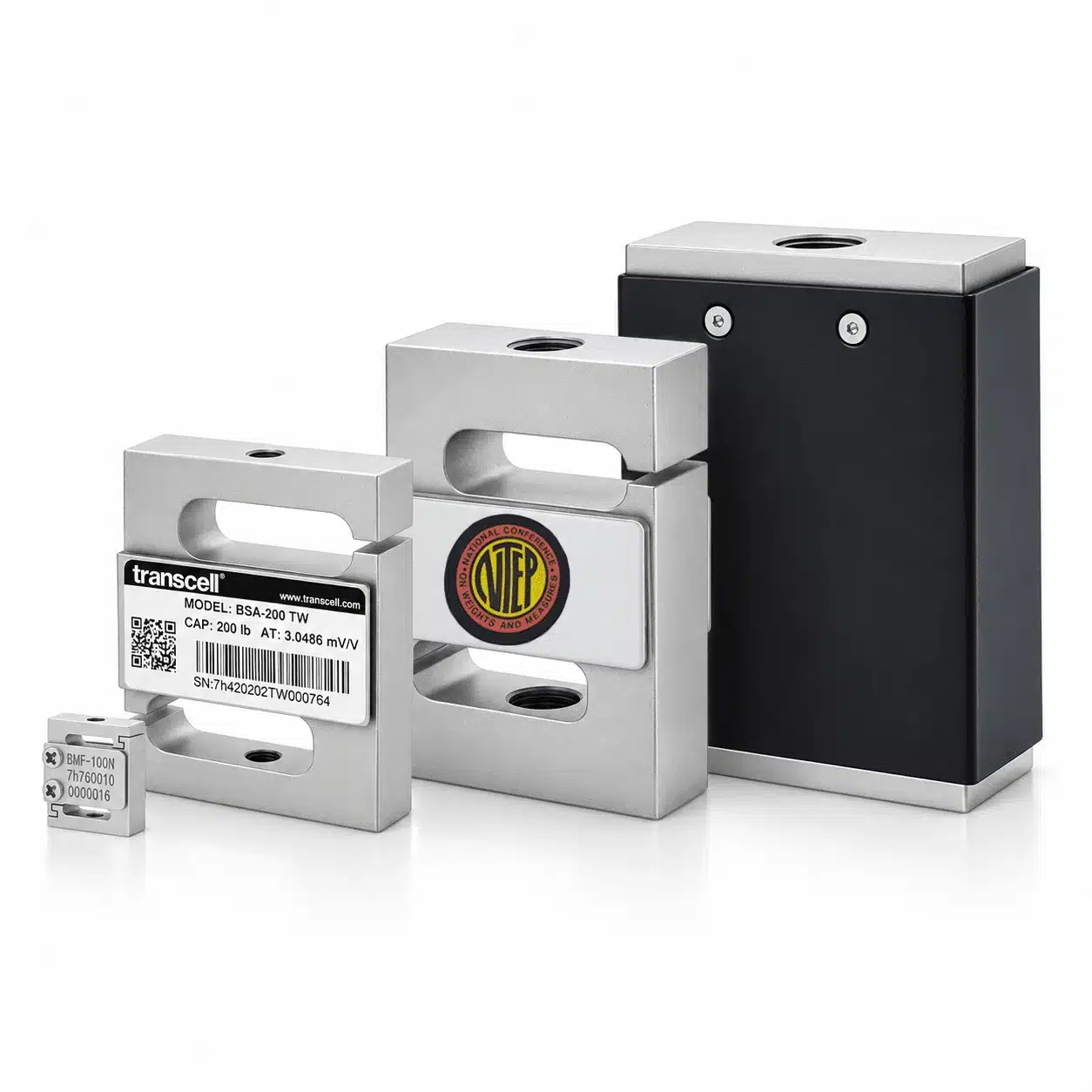
Load Cells
What the foot is transmitting force into. Thread size follows the load cell, which is why the 3-1/4 inch foot has its own.
View products
Fixtures & Adapters
Load buttons and tension bases do at the load cell what a foot does at the floor: put the force where the design expects it.
View productsWhy Transcell. Ordered like a store, backed like a partner.
Free 2-day shipping
Feet ship as a parcel, so they go free in two days anywhere in the USA with no minimum order.
Ships worldwide
International orders ship at FedEx live rates: what FedEx charges is what you pay.
Warranty backed
Every product ships with a manufacturer warranty, from the people who build the load cells these feet sit under.
Custom when you need it
A thread, a diameter or a material that is not stocked is ordinary machining work for us rather than a special request.
Scale foot reference
A foot looks like the most trivial part of a weighing system and is quietly one of the more consequential, because anything in the load path is part of the measurement. Below: how to choose between grip and float, what actually happens when a platform is not level, a table that turns a situation into a part number, the five feet side by side, and the vocabulary on the drawing.
How to choose a foot. Thread rarely decides it.
Four of these five share the same thread and the same stem length, so they physically interchange. That makes thread a filter rather than a decision, and pushes the real choice onto what the foot is supposed to do once it is fitted.
Which thread, and does it narrow the field?
Start here because it is quick, but do not expect it to settle much.
Four of the five feet are 1/2-20 UNF with a 2 inch stem: the 2 inch rubber, the 2.9 inch polyurethane, the 2-1/4 inch captured ball and the 2-3/8 inch stainless captured ball. They screw into the same hole, which means that on most platforms all four are candidates and the decision has to be made on other grounds.
The exception is the 3-1/4 inch polyurethane foot at 3/4-16 UNF, listed for 10K load cells. The bigger thread goes with the bigger load cell, which goes with the heavier scale, so this one tends to select itself: if your load cell takes 3/4-16, this is the foot, and if it does not, this is not.
The stem length matters less than people expect but is worth checking: all five have a 2 inch stem, so none of them changes the deck height relative to the others. Swapping between them does not require re-shimming the installation.
If the thread on your platform is neither 1/2-20 nor 3/4-16, that is a machining question rather than a catalog one, and we would rather cut one than have you force a mismatched thread into a load cell.
Should the foot grip, or should it let the platform move?
Once thread is out of the way, this is what separates the range, and the two answers suit genuinely different installations.
Polyurethane rubber feet, the 2 inch, 2.9 inch and 3-1/4 inch, grip the floor and damp vibration. They suit benches, portable platforms and anything that must not creep when it is loaded from one side. On a bench scale near a conveyor, the damping is doing real work: it helps the reading settle rather than hunt.
Captured ball feet, the 2-1/4 inch and 2-3/8 inch, are the opposite specification. The ball sits in a cup so the foot can pivot, which lets the platform find its own attitude on a floor that is not flat. That matters because a rigid four-point platform on an uneven floor does not distribute load evenly; it bridges, and one corner takes more than its share. Since each corner has a load cell under it, an unevenly loaded platform is an unevenly weighing platform.
The rule of thumb: a floor you would call flat, and a scale that gets nudged, wants polyurethane. An older concrete floor, or any installation where the platform rocks, wants a captured ball. If a new scale reads differently depending where on the deck the load sits, and the load cells are healthy, the feet and the floor are the first thing to look at.
Does the scale have to be legal for trade?
This question removes four of the five options in a single step, so it is worth asking early.
On a legal-for-trade scale, every component in the load path forms part of what is approved and sealed. The load cell, the mounting, the instrument and the feet are inspected as a system, not as a collection of parts each of which happens to be adequate. Substituting a foot on a sealed scale is not a maintenance decision; it is a change to an approved installation.
The 2-3/8 inch stainless captured ball foot at $55 is the NTEP certified option here, and it is the one to specify when the weight will be the basis of a commercial transaction. It is also stainless throughout, which is why it doubles as the washdown answer.
For internal process weighing, inventory, batching or checkweighing, certification is not required and the choice reverts to grip against float and to material. That is where the cheaper polyurethane feet are entirely appropriate and the certified foot is money spent on paperwork you do not need.
If a certified scale is being repaired rather than specified, the safe sequence is to fit the certified part and then have the installation resealed by a weights and measures inspector.
Is the environment wet, or corrosive?
Material matters more at the floor than people expect, because the floor is where the water ends up.
In a washdown area, a plated or painted steel stem is the part that will corrode first. It sits in standing water, it is the last thing anybody cleans, and once the stem corrodes into the platform's threaded boss, replacing it stops being a five-minute job. The 2-3/8 inch stainless foot is the only fully stainless option in this range.
Polyurethane is chemically tolerant and copes with a wet floor perfectly well as a contact surface, so in a damp but not caustic environment the constraint is the stem rather than the pad.
For a wet installation, confirm the material of the 2-1/4 inch foot with us before ordering.
One more environmental note that has nothing to do with corrosion: polyurethane hardens and takes a set over years, particularly in heat. A bench scale whose feet have gone hard and glassy has lost the damping it was bought for, and new feet are the cheapest fix available.
How many, and should I replace them all at once?
This is the shortest answer on the page and the one most often ignored.
Replace feet as a set. A new polyurethane foot is fractionally taller than one that has been carrying a scale for five years, because the old ones have compressed and taken a set. Fitting one new foot to a four-foot platform therefore lifts that corner, and the load redistributes across the other three, which is precisely the condition that makes a scale read differently depending on where the load sits.
The cost argument is not close either. At $15 to $55 each, a full set is a small fraction of the time it takes to chase a cornering error that was self-inflicted.
Then level the platform. Most feet in this range adjust on their thread, which is what the 2 inch stem is for. Level the deck, then check that every foot is genuinely carrying: a foot that is merely close to the floor is a foot doing nothing, and on a four-point scale that turns it into a three-point one.
Finally, recalibrate. Anything that changes the load path changes what the load cells feel, and feet are in the load path.
Why a foot changes the reading. Four steps from floor to load cell.
A foot looks like furniture and behaves like part of the instrument. This is the path the force takes, and where a wrong or worn foot alters it.
01
The floor is not flat
Almost no industrial floor is. A rigid platform on an uneven floor bridges rather than sitting evenly, which loads some corners more than others before anything is put on it.
02
The foot either grips or pivots
Polyurethane holds position and damps vibration. A captured ball pivots in its cup so the platform can settle to the floor's actual shape rather than fighting it.
03
Load reaches the load cell
Whatever the foot passes on is what gets measured. A corner carrying more than its share reads high, and the same weight then reads differently depending where it sits on the deck.
04
Calibration locks it in
The scale is calibrated with the feet it has. Change a foot, or let one settle, and the distribution the calibration assumed is no longer the distribution you have.
This is why cornering error is the usual symptom of a foot problem rather than an overall accuracy error. A scale that weighs a test load correctly in the middle of the deck and wrongly at one corner is telling you about its load path, and feet are the cheapest part of that path to check.
Which foot do you need? Environment, floor and certification.
The first four rows are the common cases. The last two point off this page, because a foot is not always the right part.
| If you have | Order | Why |
|---|---|---|
| A bench or portable platform on a flat floor | 2.9″ polyurethane $20 | Grips and damps, which helps a bench scale settle rather than hunt. Model LFR-3, on the common 1/2-20 UNF thread. |
| A small bench scale, or a tight footprint | 2″ rubber $15 | The smallest in the range and the least expensive, on the same thread as the 2.9 inch, so the two interchange directly. |
| A floor scale on older or uneven concrete | 2-1/4″ captured ball $40 | Pivots so the platform can settle to the floor instead of bridging, which is the usual cure for a scale that reads differently corner to corner. |
| A washdown scale, or a legal-for-trade scale | 2-3/8″ stainless captured ball $55 | Stainless throughout and the only NTEP certified foot in the range. On a certified scale the feet are part of what is approved and sealed. |
| A 10K load cell, or a 3/4-16 UNF boss | 3-1/4″ polyurethane $30 | The only foot here on the larger thread, and the largest contact area. Thread rather than preference decides this one. |
| A scale that reads differently at one corner | Captured ball feet, as a set | Assuming the load cells check out, an uneven load path is the next suspect. Replace all the feet together: one new foot among three worn ones creates the fault it was meant to fix. |
| A load cell that needs the force aligned at the load cell itself | A load button | Not a foot. A radiused dome threaded into the load cell aligns a compression load down its axis, which is the same idea applied at the other end of the load path. |
| A whole scale rather than a spare | A platform scale | Complete floor scales arrive with feet fitted and are calibrated as a system, which is usually better value than rebuilding a platform part by part. |
The five feet, side by side. Sorted by what actually differs.
Every figure here is from the product's own description. Four of the five share a thread and a stem length, so the columns that matter are diameter, material and certification.
| Foot | Diameter | Thread | Stem | Material | Price |
|---|---|---|---|---|---|
| Polyurethane, grips and damps | |||||
| 2″ Rubber (LFR-2) | 2″ | 1/2-20 UNF | 2″ | Polyurethane pad, steel stem | $15 |
| 2.9″ Polyurethane (LFR-3) | 2.9″ | 1/2-20 UNF | 2″ | Polyurethane | $20 |
| 3-1/4″ Polyurethane | 3-1/4″ | 3/4-16 UNF | 2″ | Polyurethane. Listed for 10K load cells | $30 |
| Captured ball, lets the platform settle | |||||
| 2-1/4″ Captured Ball | 2-1/4″ | 1/2-20 UNF | 2″ | Captured ball foot. For a wet site, ask us to confirm the stem material. | $40 |
| 2-3/8″ Stainless Captured Ball | 2-3/8″ | 1/2-20 UNF | 2″ | Stainless steel, ball and cup. NTEP certified | $55 |
Because four of the five share 1/2-20 UNF and a 2 inch stem, they interchange without changing deck height, so moving a bench scale from polyurethane to a captured ball foot is a direct swap. Recalibrate afterwards regardless: anything in the load path is part of what the load cells feel.
Foot and mounting terms, in plain language. What they mean on a drawing.
Show all 20 terms
- Load path
- Everything the force travels through between the floor and the load cell. A foot is in it, which is why a foot is part of the measurement rather than a fitting.
- Captured ball foot
- A foot whose ball sits in a cup so it can pivot. It lets a platform settle to an uneven floor instead of bridging across the high spots.
- Cornering error
- A scale reading differently depending where on the deck the load sits. The classic symptom of an uneven load path, and usually a foot, a floor or a trimming problem.
- Trimming
- Adjusting each load cell's contribution in the junction box so an off-centre load reads correctly. It compensates for the load path rather than fixing it.
- UNF
- Unified National Fine, the thread standard used here. 1/2-20 UNF means a half inch diameter with 20 threads per inch.
- 1/2-20 UNF
- The common thread across four of these five feet, which is why they interchange freely on most platforms.
- 3/4-16 UNF
- The larger thread, used on the 3-1/4 inch foot and listed for 10K load cells. Bigger load cell, bigger thread, bigger foot.
- Stem
- The threaded shank that screws into the platform or load cell. All five feet here use a 2 inch stem, so swapping between them does not change deck height.
- Polyurethane
- A tough synthetic rubber. Grips, damps vibration and tolerates most chemicals, but hardens and takes a set over years, especially in heat.
- Damping
- Absorbing vibration so a reading settles instead of hunting. What a polyurethane foot contributes on a bench near machinery.
- Levelling
- Adjusting each foot on its thread until the platform sits true and every foot genuinely carries. A foot that is merely close to the floor is doing nothing.
- Bridging
- A rigid platform resting on the high points of an uneven floor, so load reaches some corners before others. The condition a captured ball foot exists to prevent.
- NTEP certified
- Evaluated against NIST Handbook 44 for legal-for-trade weighing. On a certified scale, components in the load path form part of what is approved.
- Legal for trade
- Approved for use where weight is the basis of a commercial transaction. It constrains the whole installation, not only the instrument.
- Sealed
- A weights and measures inspector's seal on a certified scale. Changing a component in the load path breaks it and requires reinspection.
- Load cell
- The sensing element that converts force into a small electrical signal. Everything a foot does, it does to what the load cell feels.
- Compression load cell
- A load cell that measures force pushing into it, which is the arrangement under almost every platform and floor scale.
- Deck height
- The height of the weighing surface above the floor. Unchanged when swapping between these feet, because all five share a 2 inch stem.
- Set
- The permanent deformation an elastomer takes on after years under load. A foot that has taken a set is shorter and harder than a new one, which is why feet are replaced as a set.
- Washdown
- An environment cleaned with water or chemicals, where a plated or painted stem corrodes and a stainless one does not.
Scale feet, answered.
Do these feet interchange?
Mostly, yes. Four of the five are 1/2-20 UNF with a 2 inch stem, so the 2 inch rubber, 2.9 inch polyurethane, 2-1/4 inch captured ball and 2-3/8 inch stainless all fit the same boss and none of them changes deck height. The exception is the 3-1/4 inch polyurethane foot, which is 3/4-16 UNF and listed for 10K load cells. Recalibrate after any swap, because a foot is in the load path.
What is the difference between a rubber foot and a captured ball foot?
They are opposite specifications. Polyurethane grips the floor and damps vibration, which suits benches and portable platforms and anything that must not creep. A captured ball pivots in its cup so the platform can settle to an uneven floor instead of bridging across the high points. If a scale rocks, or reads differently at one corner, a captured ball is usually the answer.
Do the feet have to be NTEP certified?
Only if the finished scale is legal for trade, in which case every component in the load path is part of what gets approved and sealed. The 2-3/8 inch stainless captured ball foot is the certified option here. For internal process weighing, inventory or batching, certification is not required and the polyurethane feet are entirely appropriate.
Which foot should I use in a washdown area?
The 2-3/8 inch stainless captured ball, which is the only fully stainless option in the range and is also the certified one. In a wet area the stem is what fails first: it stands in water, it is rarely cleaned, and once it corrodes into the threaded boss, replacing it becomes a much bigger job than fitting the right foot would have been.
Can I replace just one worn foot?
You can, and it will cause the problem you were trying to fix. A new polyurethane foot is fractionally taller than one that has carried a scale for years and taken a set, so fitting one lifts that corner and redistributes load across the other three. Replace them as a set, then level the platform and recalibrate.
How do I know if my feet are the problem?
Put a known test weight in the middle of the deck, then at each corner in turn. If the middle reads correctly and one or more corners do not, you have a load path problem, and feet are the cheapest part of that path to check. Look for a foot that is not actually touching, a foot that has hardened and gone glassy, or a platform that rocks when pushed.
What thread do I need?
Look at what is coming out of the platform or the load cell. Four of these five are 1/2-20 UNF and one is 3/4-16 UNF. If it is neither, we would rather machine one to suit than have you force a mismatched thread into a load cell boss, so send us the dimension.
Does changing feet mean recalibrating?
Yes. Anything in the load path changes what the load cells feel, and feet are in the load path. On an internal process scale that is a straightforward recalibration; on a legal-for-trade scale it also means the seal is broken and a weights and measures inspector has to reseal the installation afterwards.
Can you supply a foot that is not listed?
Yes. Threads, diameters, stem lengths and materials are ordinary machining work for us, and we would much rather cut a foot to suit than have a customer adapt one that nearly fits. Send the thread, the load and the environment.
We Make Your Challenge Our Business
Tell us what it has to do and we’ll tell you what it takes.