
Instruments
Designed, built and calibrated in-house.
Free shipping across the USA.
Instrument categories
An instrument is half a system. One catalog, one order.
The load cell that feeds it, the platform it sits on and the cable that carries the signal all come from the same catalog, on the same order.
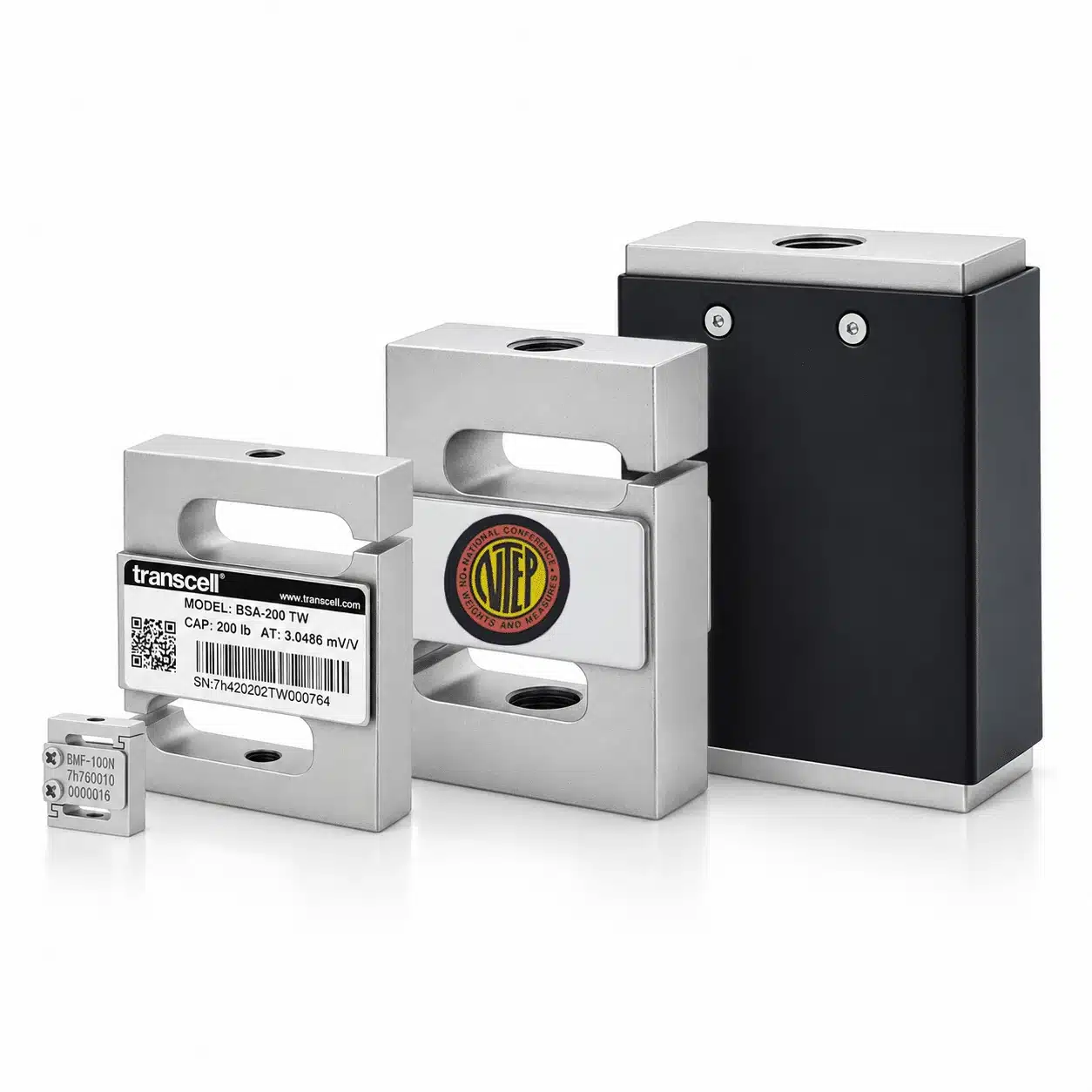
Load Cells
The sensor every instrument here reads. Twelve families, designed, built and calibrated in-house.
View products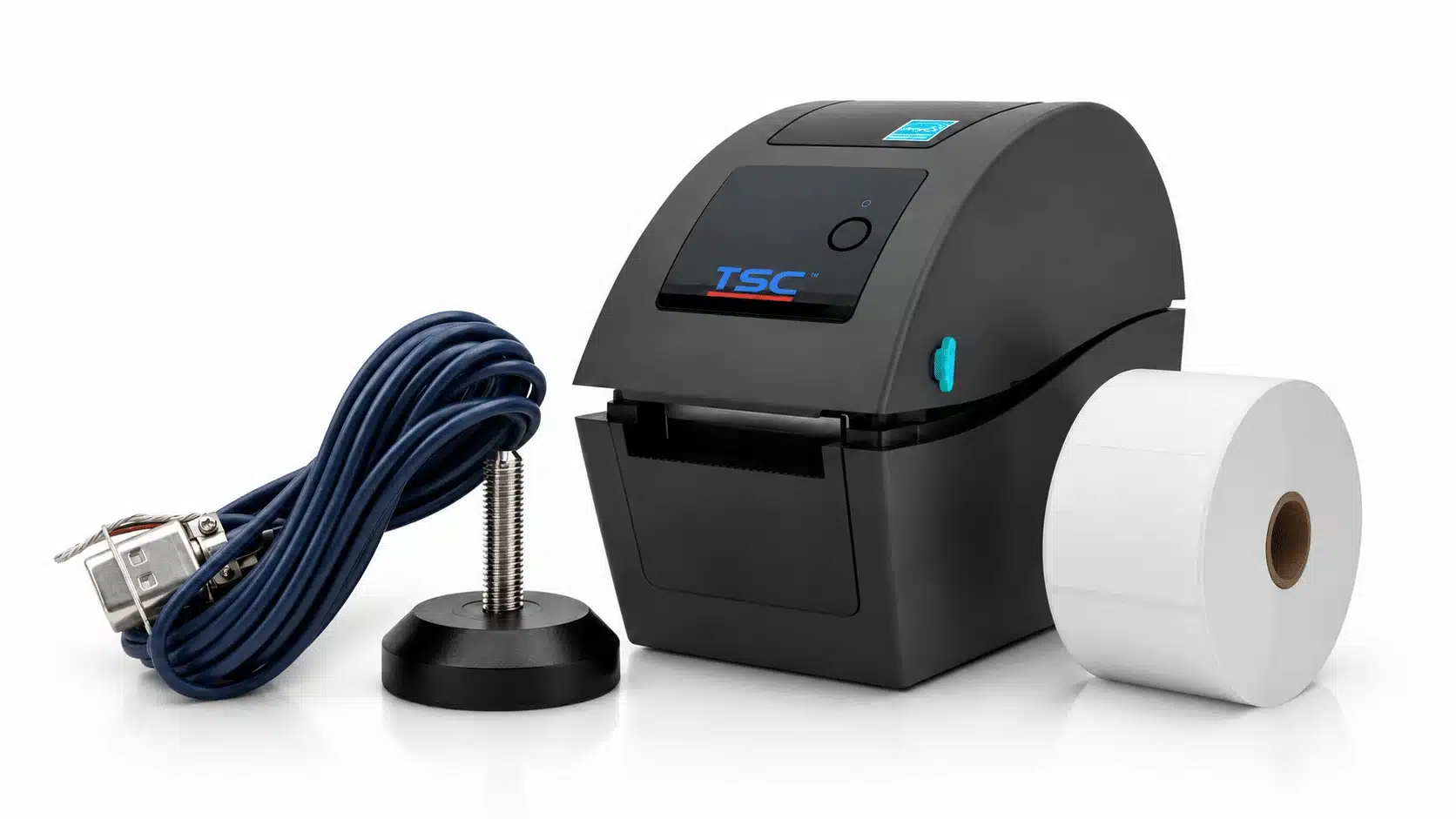
Cables & Accessories
Shielded cable keeps the millivolt signal clean past motors and drives, which is where most noise complaints actually start.
View products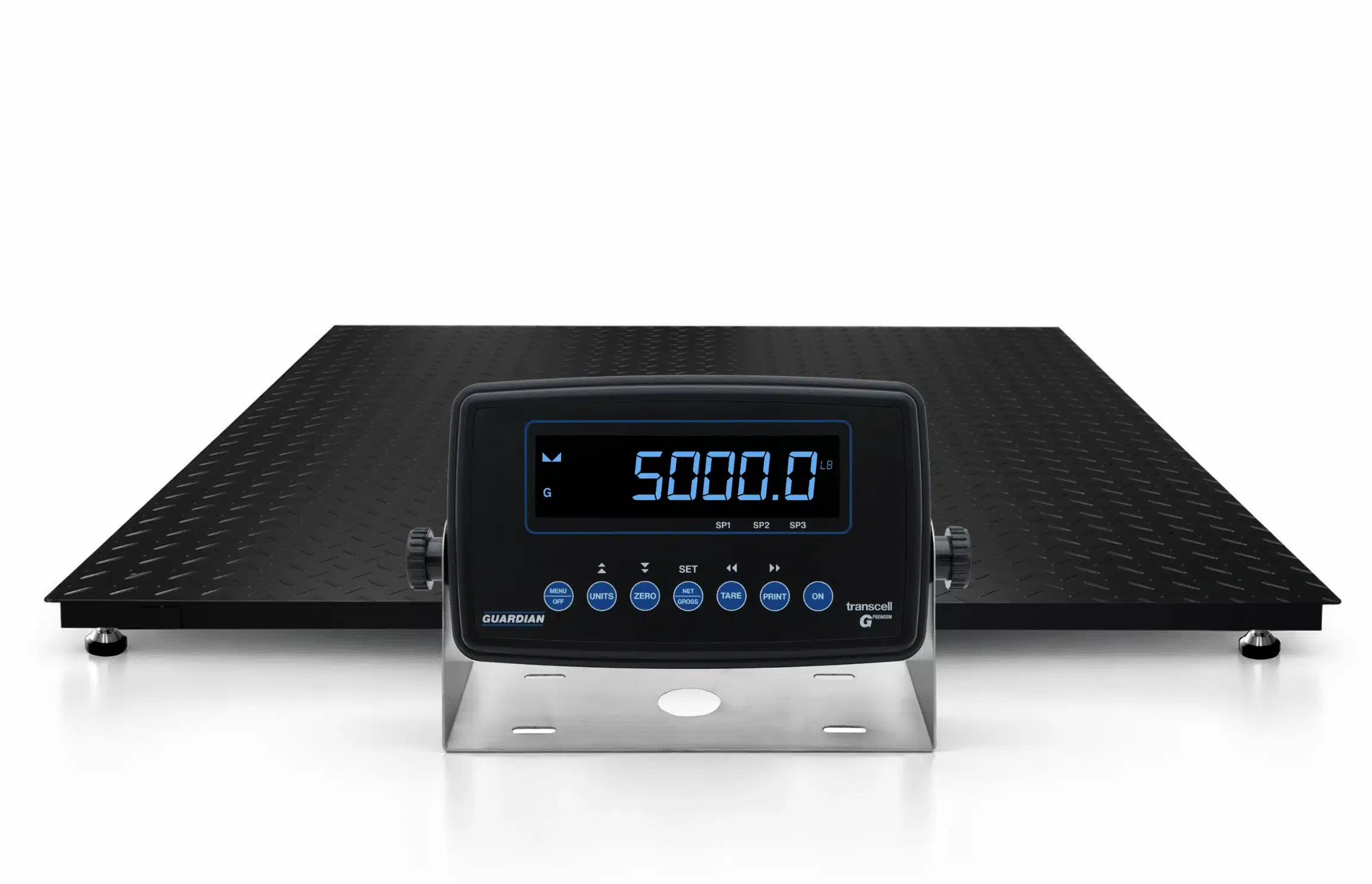
Scales
If the platform and the instrument should arrive as one working scale rather than as parts to pair up.
View productsWhy Transcell. Ordered like a store, backed like a partner.
Free shipping
Parcels ship free in two days, nationwide, no minimum. Floor scales and weigh beams go by freight: free ground to the contiguous 48 states in 2 to 3 days.
Ships worldwide
International orders ship at FedEx live rates: what FedEx charges is what you pay. Tracking follows the order from our door to yours.
Warranty backed
Every product carries a manufacturer warranty. If something goes wrong, you deal with the people who built it.
Custom when you need it
Can't find the perfect fit? We build custom load cells and custom electronics for OEMs every day.
Instruments reference
Which instrument you need is decided by what has to receive the weight: an operator reading a display, a controller reading an analog signal, or a plant network. Below, the signal chain from load cell to destination, each category mapped to what it feeds, and the questions that separate one from another.
Which instrument do you need? Four answers to four different questions.
A load cell on its own produces a few thousandths of a volt, and nothing reads it directly. Everything in this category exists to turn that into something else: a number in front of an operator, a signal a controller understands, or one signal out of several load cells. What decides it is what sits on the other end, not the load cell.
01
The load cell
Returns a few millivolts, proportional to its excitation. A 2 mV/V load cell at full load gives about 10 mV.
02
Summing, if needed
A platform on several load cells is added into one signal first, and trimmed so a corner load reads the same anywhere on the deck.
Junction boxes03
The instrument
This category. It either displays the number, converts it into something a controller reads, or puts it onto a network.
Instruments04
The destination
An operator, a printed ticket, a PLC analog input, or a plant network running Modbus, EtherNet/IP or PROFINET.
Ticket printersStart here. Sorted by what has to receive the weight.
Each row links straight to that category.
| If you need | Start here | Why |
|---|---|---|
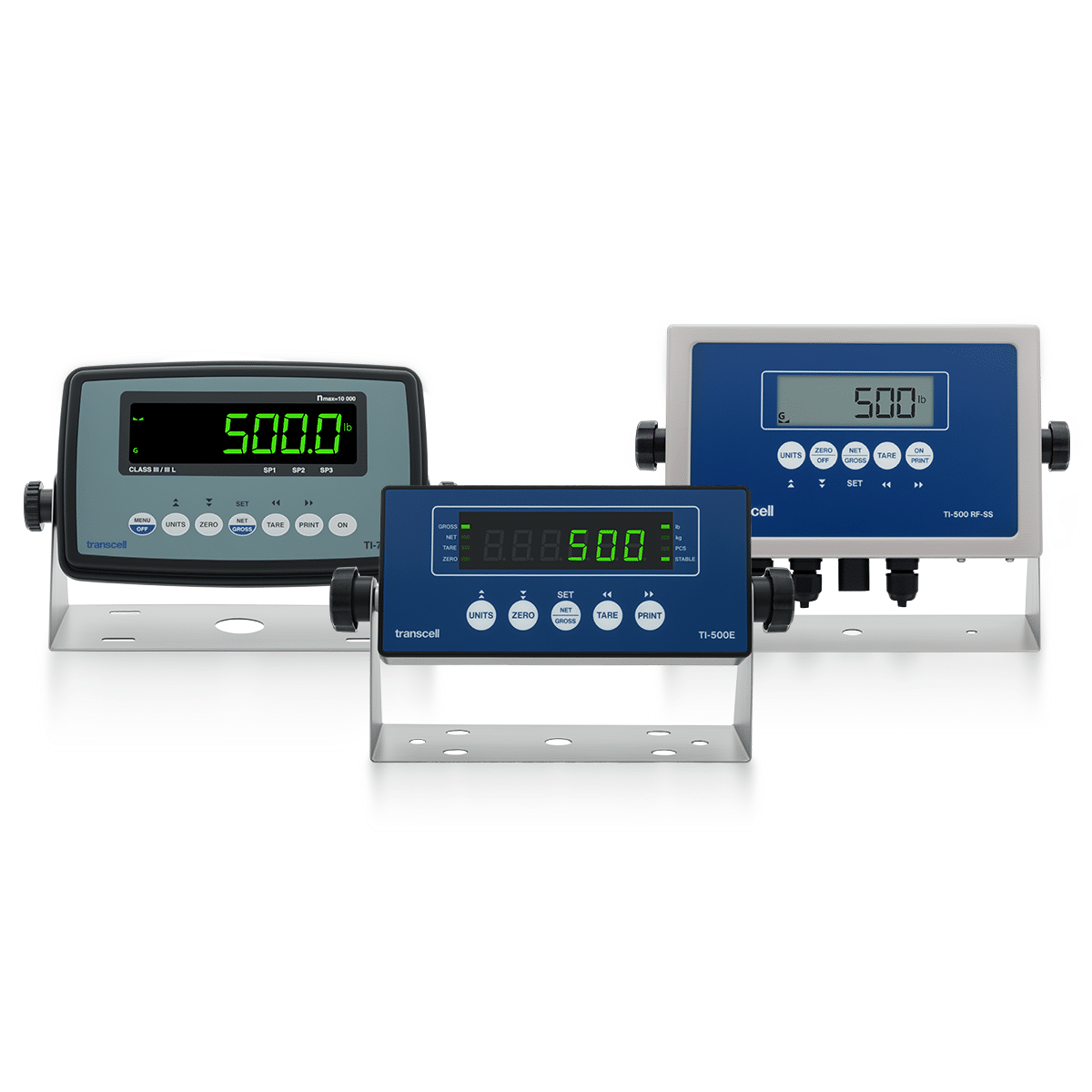
| A number an operator can read | Digital Indicators | A front-panel display with tare, net and gross, and NTEP certification where the weight is the basis of a sale. |
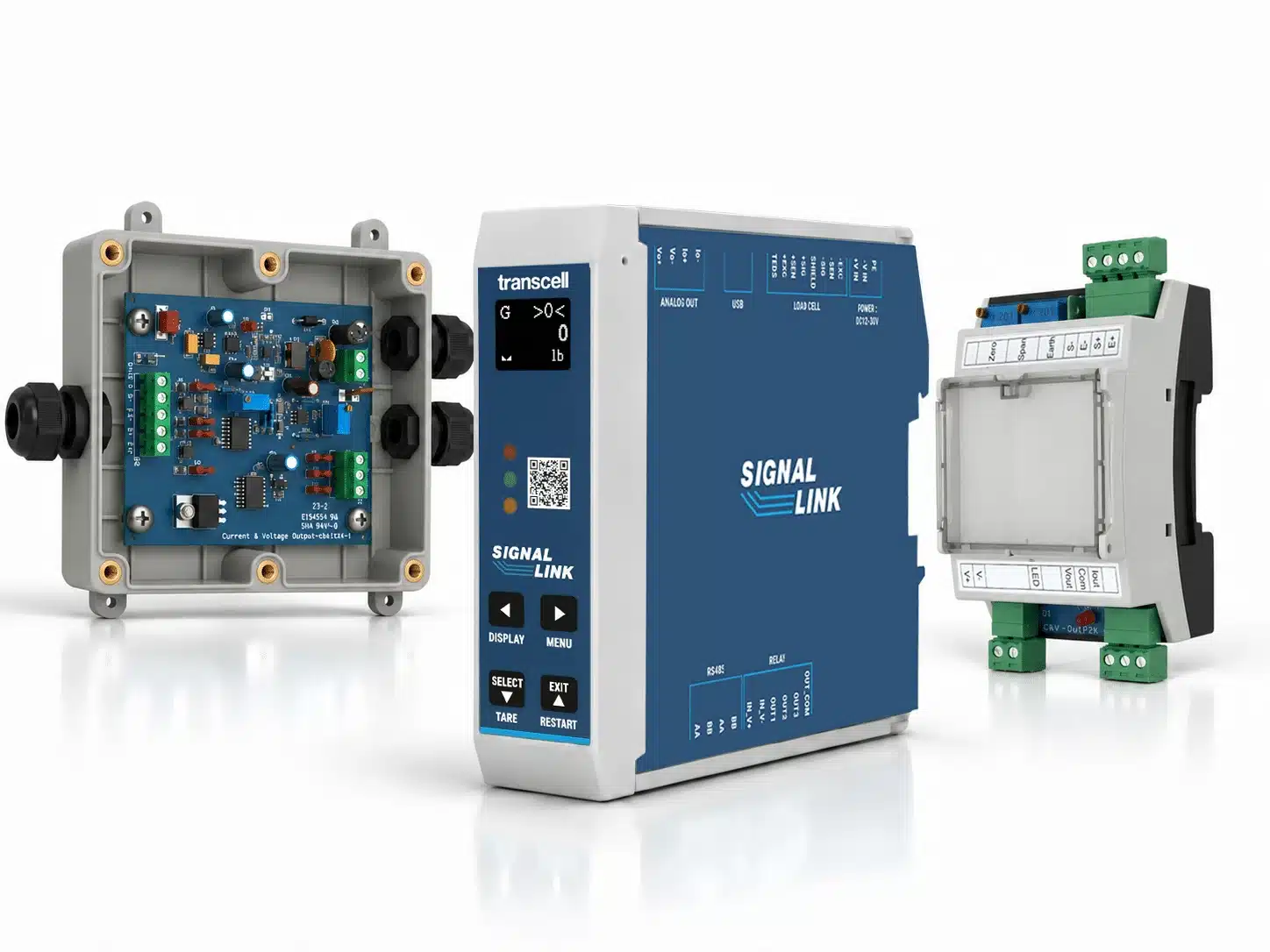
| A signal a PLC can read | Signal Conditioners | Converts the millivolt bridge output into 4–20 mA, 0–10 V or RS-485 Modbus RTU, on a 25 mm DIN rail beside the rest of your controls. |
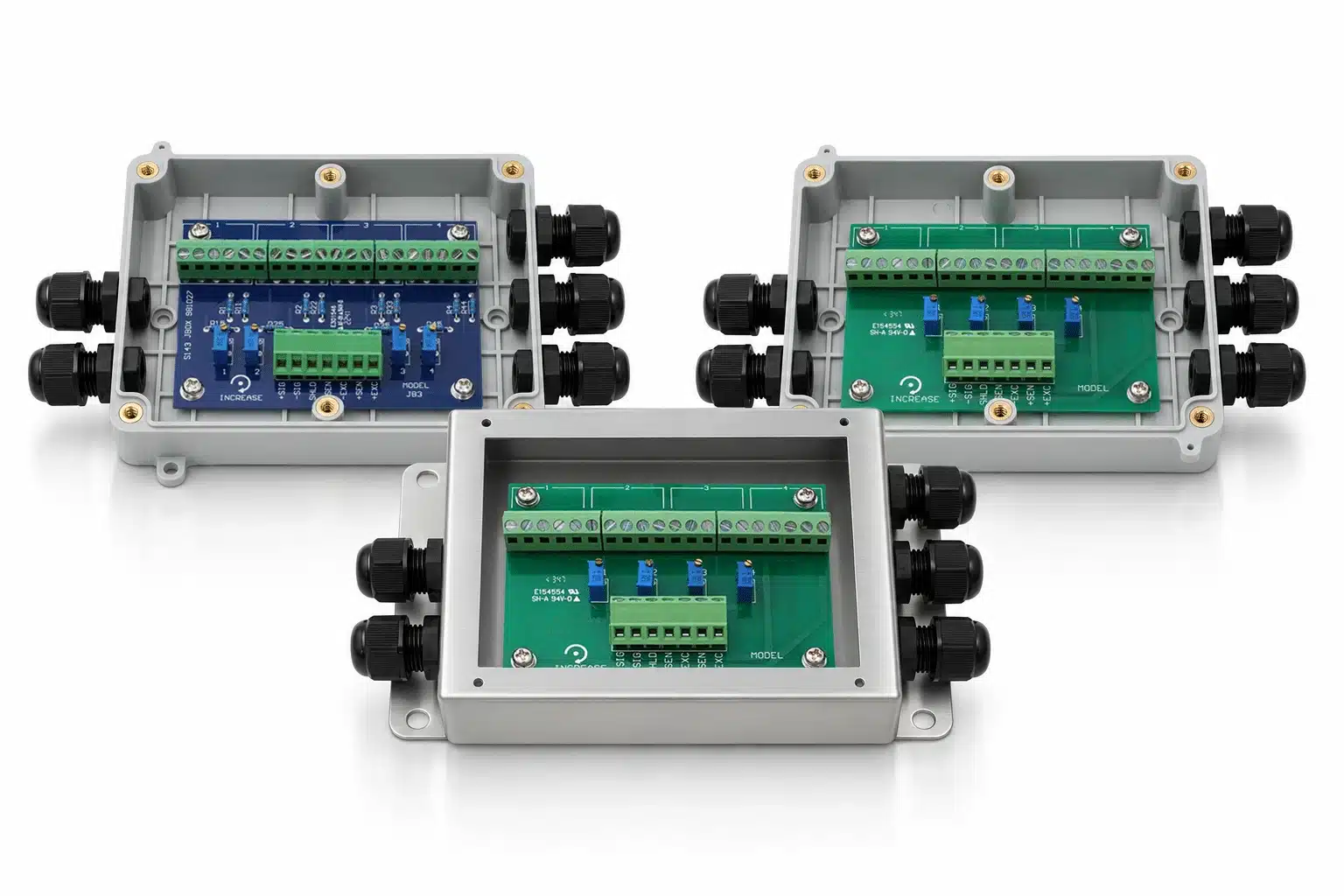
| Several load cells under one platform | Junction Boxes | Sums three or four load cells into a single output and trims them, before anything else in the chain sees the signal. |
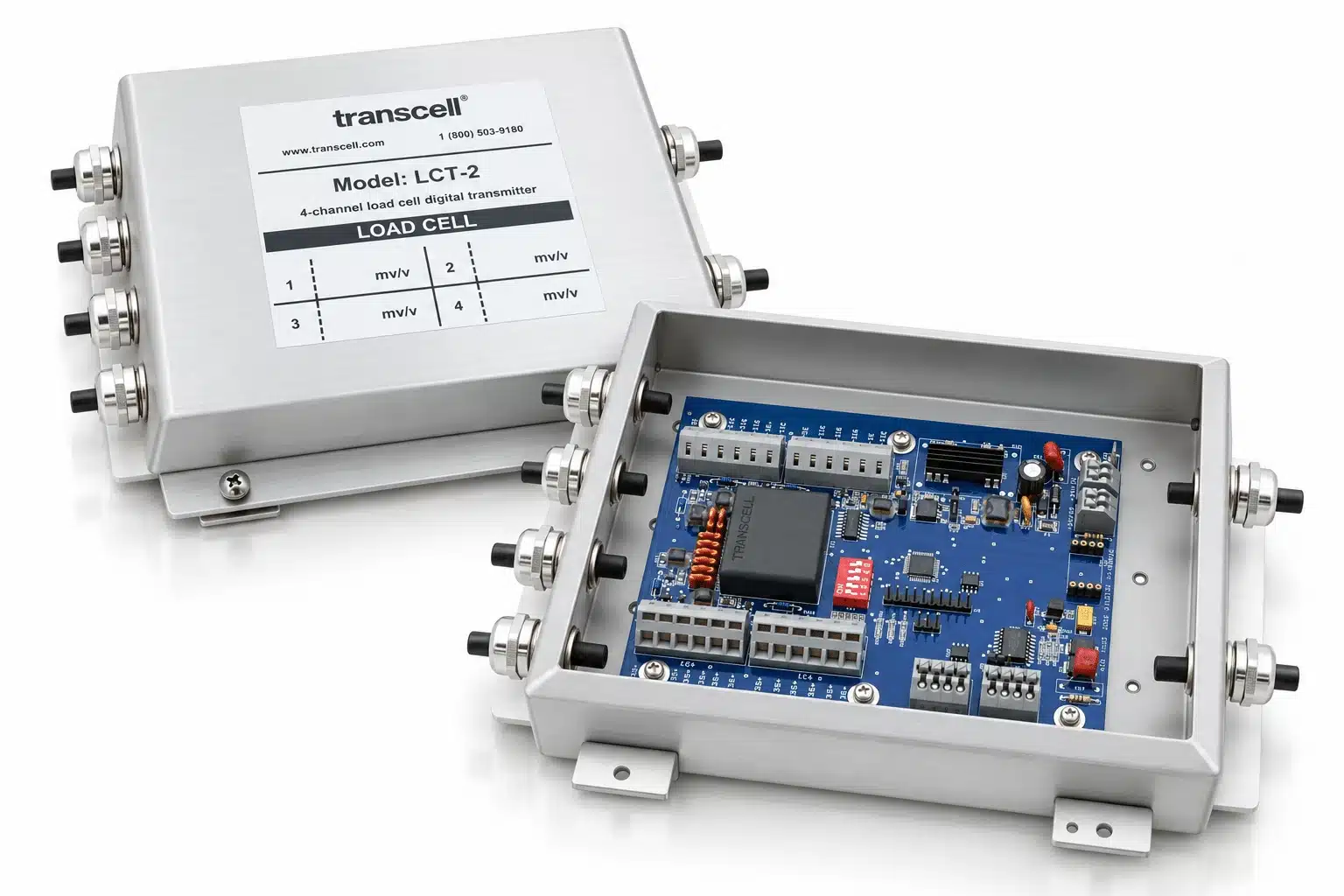
| Weight on an industrial network | Digital Weight Transmitters | The LCT-2 speaks Modbus RTU as standard, with Modbus TCP/IP, EtherNet/IP, PROFIBUS and PROFINET available as options. |
| To know which load cell is drifting | Digital Weight Transmitters | Monitors up to four load cells individually instead of summing them, so a damaged or drifting one can be found without dismantling the scale. |
| Both a display and a feed to a controller | Digital Indicators | Several models take an optional analog or RS-485 card, so one instrument shows the weight to the operator and reports it upstream. |
Junction boxes and transmitters are not alternatives, even though both take several load cells. The junction box adds them into one signal; the transmitter keeps them separate and reports each one. If the question is what the platform weighs, sum it. If the question is which corner is drifting, don't.
Instruments, answered.
Do I need a signal conditioner or a digital indicator?
It depends on who reads the number. A digital indicator is for a person: it has a display, tare, net and gross, and NTEP certification where the weight is the basis of a sale. A signal conditioner is for a machine: no display, it converts the millivolt output into 4–20 mA, 0–10 V or Modbus so a PLC can read it. If both a person and a controller need the weight, several indicators take an optional analog or RS-485 card and do both.
What is the difference between a junction box and a weight transmitter?
Both connect to several load cells, but they do opposite things. A junction box adds them into one signal and trims them, so the platform reads the same wherever the load sits. A weight transmitter keeps them separate: the LCT-2 monitors up to four load cells individually, so a drifting or damaged one can be identified without dismantling the scale. Sum it if you want to know what the platform weighs; keep them separate if you want to know which corner is failing.
Signal conditioner or weight transmitter, when both offer Modbus?
They do, and the difference is how much of the work happens before the signal leaves the box. A signal conditioner takes one load cell and converts it, so the controller receives a value it still has to scale and calibrate itself; it is the cheaper choice when a PLC is already doing that work. A weight transmitter handles calibration, filtering and up to four load cells on its own, and reports finished weight to the network. Choose the conditioner for a single load cell into an analog or Modbus input, the transmitter when the weight has to arrive already resolved, or on a fieldbus like EtherNet/IP, PROFIBUS or PROFINET.
Can one instrument read several load cells?
Yes, but it is an excitation budget rather than a channel count. Load cells wire in parallel, so each one added draws more current from the instrument's supply, and the published figure is the point at which that supply runs out. Across the indicator range it is four, eight or twelve 350-ohm load cells depending on the model. A platform on several load cells still needs a junction box to sum and trim them first.
Which of these is legal for trade?
Only the digital indicators. NTEP certification is issued against NIST Handbook 44 for the instrument that produces the reading, so conditioners, junction boxes and transmitters are not certified and do not need to be. The certificate also covers the instrument rather than the installation: the finished scale is still calibrated and sealed by a weights and measures inspector.
We Make Your Challenge
Our Business
Tell us what it has to do and we’ll tell you what it takes.